An Intergovernmental institution under
United Nations Treaty Series 49006 / 49007

School of Theology and Interfaith Studies

Online PhD in Intergovernmental Catholic Theology

Doctor of Philosophy (PhD) in Roman Catholic Theology

Fully online and asynchronous, designed for working professionals, and awarded by a university established by treaty between sovereign States.

Program Type

PhD

School / Institute

School of Theology and Interfaith Studies

Study Mode

Online (Asynchronous)

Duration

3 to 3.5 years

Built for working professionals

Study fully online, on your own schedule, at a university created by treaty between sovereign States and registered with the United Nations.
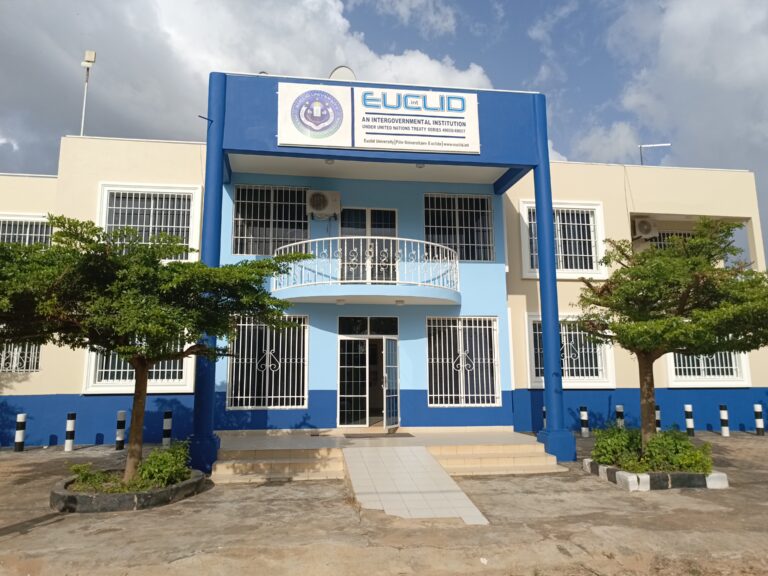
EUCLID headquarters in The Gambia

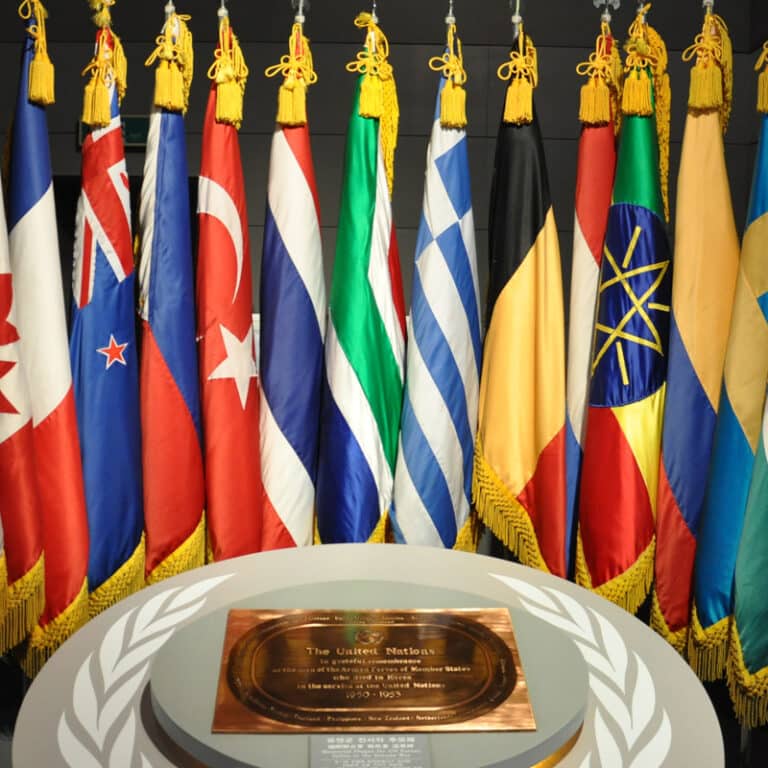
A university established by treaty between sovereign States
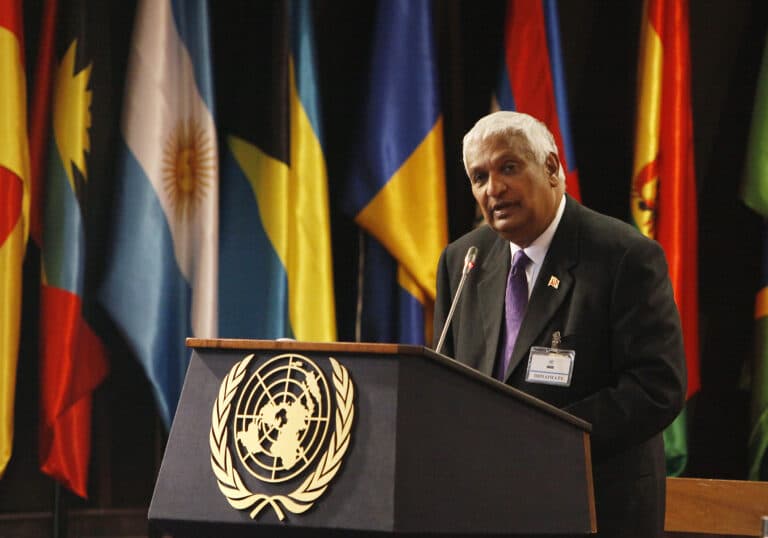
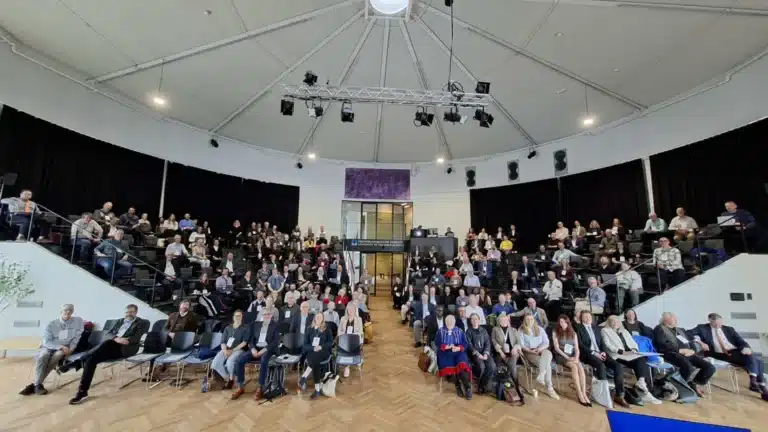
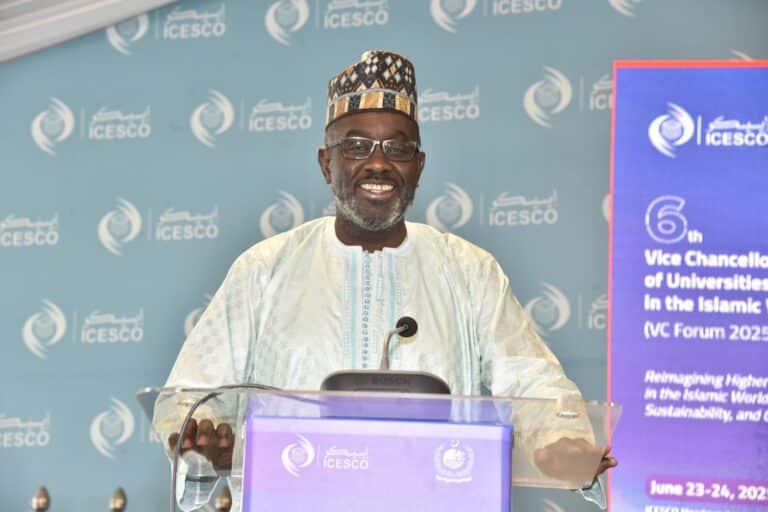
EUCLID lecture at the United Nations

Faculty who include diplomats, scholars and senior practitioners
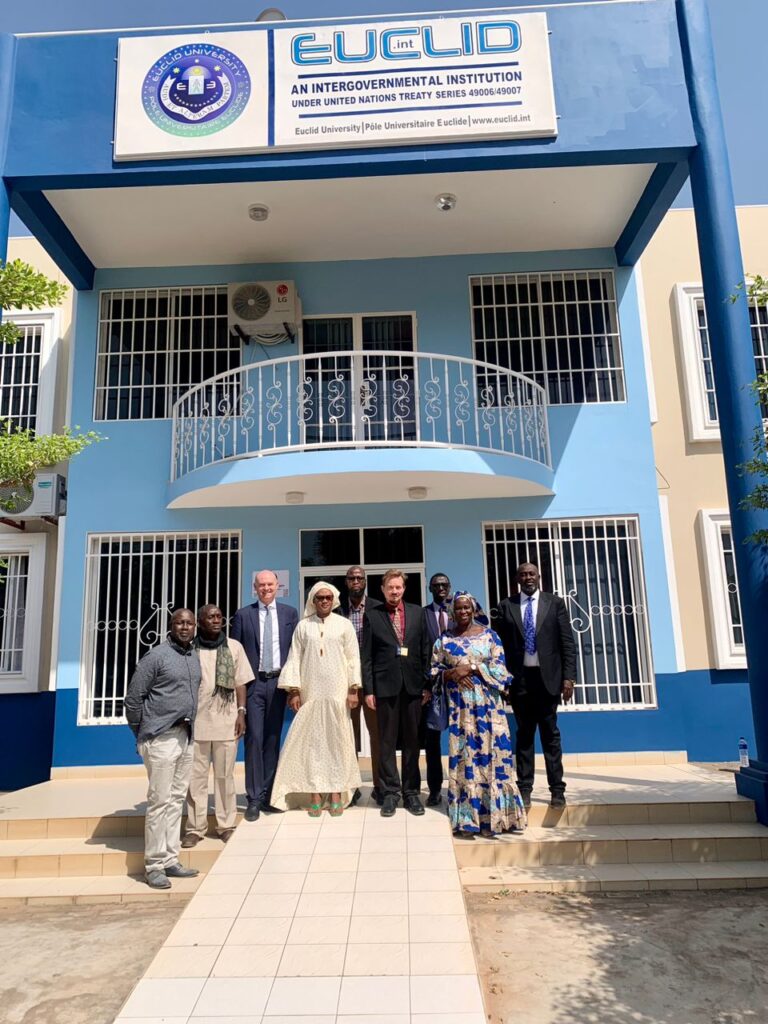
EUCLID board meeting at the headquarters

Rigorous academic oversight and quality assurance
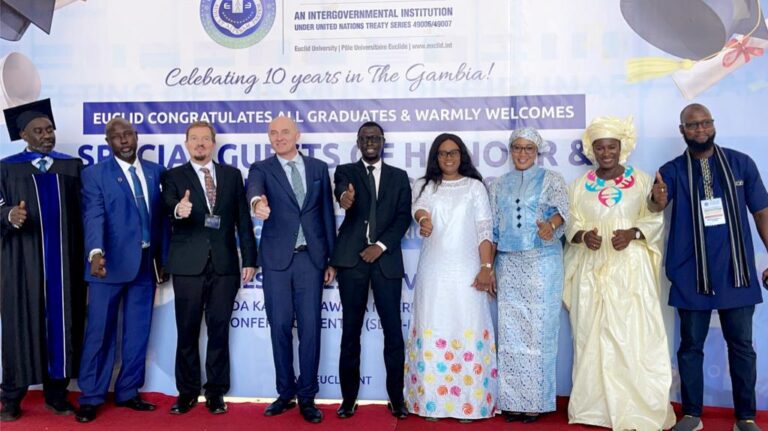
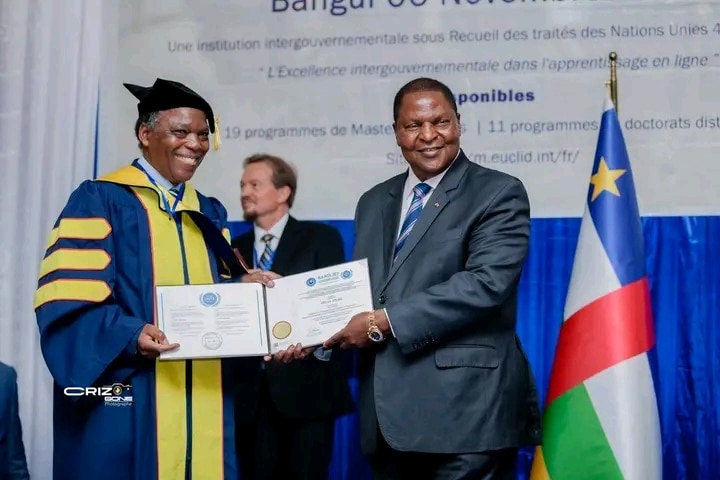
EUCLID graduation ceremony

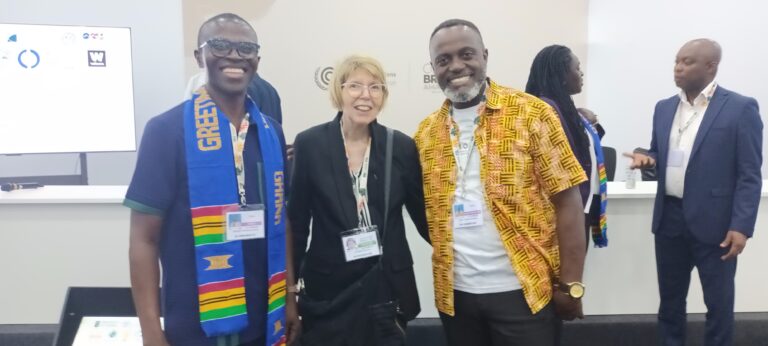
A global alumni community across four continents

Overview

The School of Theology and Interfaith Studies at EUCLID (Euclid University) offers a primary external (distance or online) degree program specifically called: PhD in Theology in Roman Catholic Studies for Interfaith Scholars  (DRCT), which is a full Doctor of Philosophy degree.

Its main purpose is to offer an engaging, academically and theologically sound graduate program to students, clergy and working professionals (including catechists) interested in reaching the highest academic level of knowledge in the Catholic Faith.

It is worth mentioning that our programs are taught from a Magisterial (reflective of the official teachings of the Catholic Church) rather than from a controversial or modernistic perspective. According to the medieval (and Catholic) concept of academic disputatio, this program makes ample use of debates and dialectical material (see featured video)

This EUCLID program is offered as part of EUCLID’s interreligious mandate but is not in any way a canonical degree approved by the Holy See. For a list of programs directly approved by the Holy See, please visit www.educatio.va

The EUCLID degree is a civil (public and intergovernmental), not ecclesiastical degree. However, the degree is recognized by the Holy See under applicable UNESCO conventions

It is noteworthy that the program’s first Principal was Fr Jose Kuruchavira, a Salesian priest based in Rome (also teaching at the Salesian Pontifical University), who was succeeded by a distinguished group of qualified Catholic priests as program faculty. Today, the program is supported by a dedicated group of Catholic clergy and theologians.

Why choose EUCLID?
A short introduction to the treaty-based university behind this program.

Program structure

The program is completed fully online and follows three stages.

01

Core coursework that builds advanced knowledge of the field, with readings, written assignments and faculty feedback.

02

Research preparation through academic writing, critical thinking and research methods, preparing you for independent work.

03

A final thesis or dissertation, an original research project completed under faculty supervision and assessed by academic examiners.

Academic Presentation

Possible Areas of Specialization

The curriculum is flexible, allowing students to tailor their studies and dissertation to one or more of the following specializations (drawn directly from program documentation). These align with core doctoral courses while permitting electives and directed studies.

1. Patristics Study of the Early Church Fathers (Patristics I: Early Fathers; Patristics II: Later Fathers), including figures like St. Augustine (covered in dedicated courses). Emphasis on primary texts, doctrinal development, and their relevance to contemporary theology. This specialization builds a strong historical and theological foundation through courses like Early Christian Doctrines and History of the Development of Christian Doctrine.

2. Liturgical Studies Exploration of Catholic worship, sacraments, and ritual traditions. Students examine the historical evolution of the liturgy, its theological underpinnings, and pastoral applications, often integrating comparative elements with other Christian traditions.

3. Modern Catholic Theologians In-depth analysis of 19th–21st century thinkers (e.g., via the dedicated Modern Catholic Theologians course). This covers figures from the ressourcement movement, Vatican II theologians, and contemporary voices, with attention to their engagement with modernity, philosophy, and culture.

4. Ecumenical and Inter-Religious Relations Comparative studies between Roman Catholicism and Eastern Orthodoxy, Protestant traditions, and world religions. Courses such as Eastern Orthodox / Roman Catholic Comparative Studies, Debates / Comparative Studies, and broader interfaith modules support dialogue, unity efforts, and global religious engagement—aligned with EUCLID’s intergovernmental ethos.

5. Advanced Scriptural Studies Hermeneutics, canon formation (The Canon of Scriptures), Old and New Testament overviews, and Greek language training (New Testament Greek). Students engage deeply with biblical texts in their historical, literary, and theological contexts, often linking to patristic exegesis or modern interpretations.

6. Social Issues, Ethics, and Bioethics Application of Catholic social teaching to contemporary challenges, including moral theology, bioethical dilemmas, and social justice. This specialization draws on Thomistic foundations, the Catechism, and modern papal encyclicals, preparing graduates to address issues like human dignity, life ethics, and global justice.

Additional supporting areas include Roman Catholic Spirituality, Scholasticism (St. Thomas Aquinas), and Philosophical Foundations.

Curriculum Highlights (Indicative Roadmap)

Core components typically include:

  • Academic writing and critical thinking.
  • Philosophical and theological foundations.
  • Scripture, Church History, and Doctrine.
  • Patristics, Catechism, and key Doctors of the Church.
  • Electives and dissertation (publishable quality).

Students may select electives aligned with their specialization. The program culminates in a doctoral thesis demonstrating original contribution to the field.

Learning Outcomes and Distinctiveness

Graduates will demonstrate:

  • Mastery of Catholic doctrine from a Magisterial viewpoint.
  • Advanced research and analytical skills.
  • Ability to engage in ecumenical/interfaith dialogue.
  • Competence to teach, publish, or lead in academic, pastoral, or policy contexts.

Distinctive Elements:

  • Intergovernmental network and global perspective.
  • Affordability with scholarship options (e.g., for officials of participating states or ECOWAS).
  • Emphasis on primary sources and dialectical method.
  • Support for working professionals and clergy (e.g., video-conference defenses).

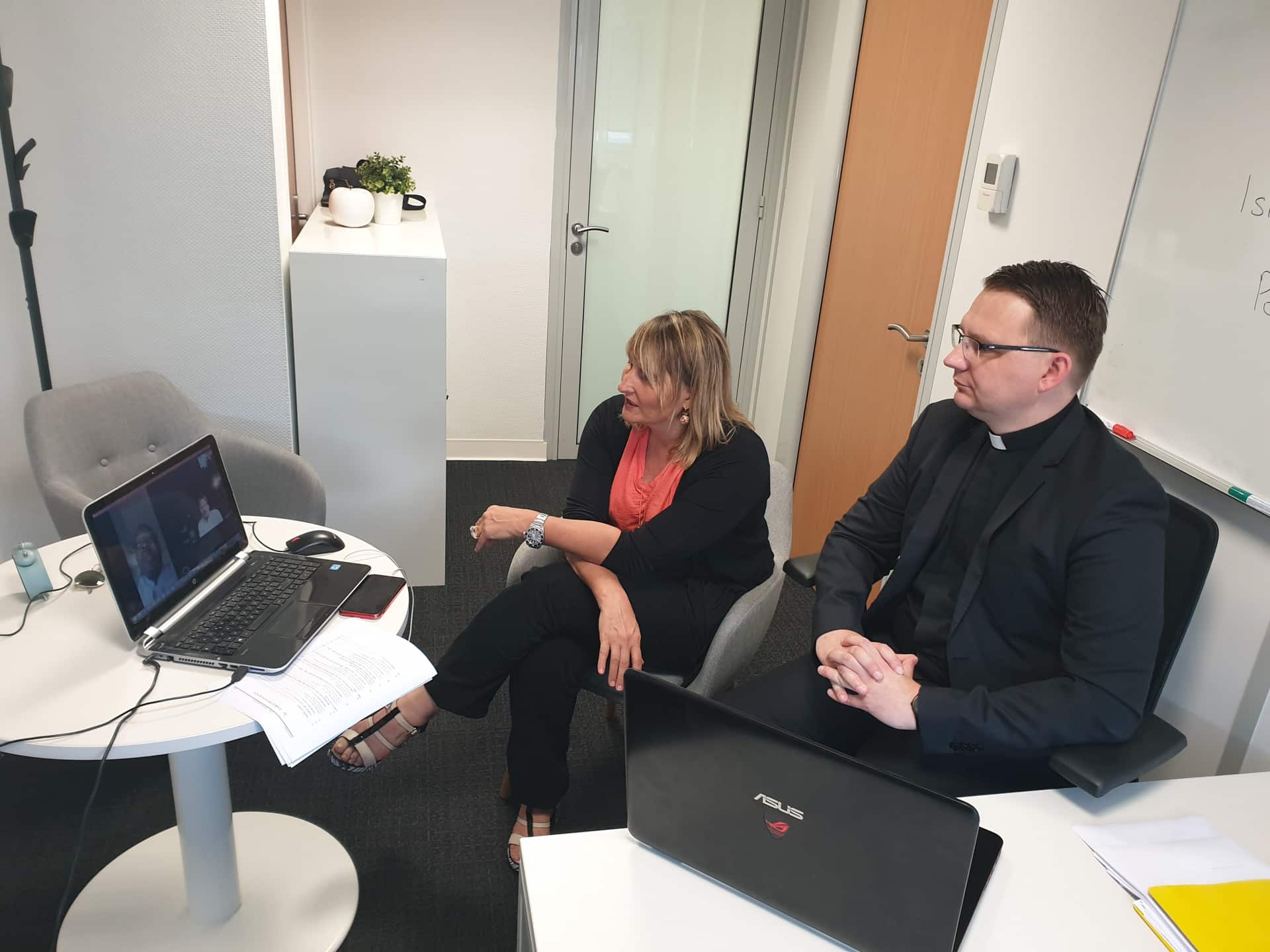
Below: Fr Matija Maticic presenting his doctoral dissertation via video conference at EUCLID's EU liaison office in Montpellier, France. Fr Maticic is the episcopal vicar of the Cathedral of St Vitus in Rijeka (Croatia).
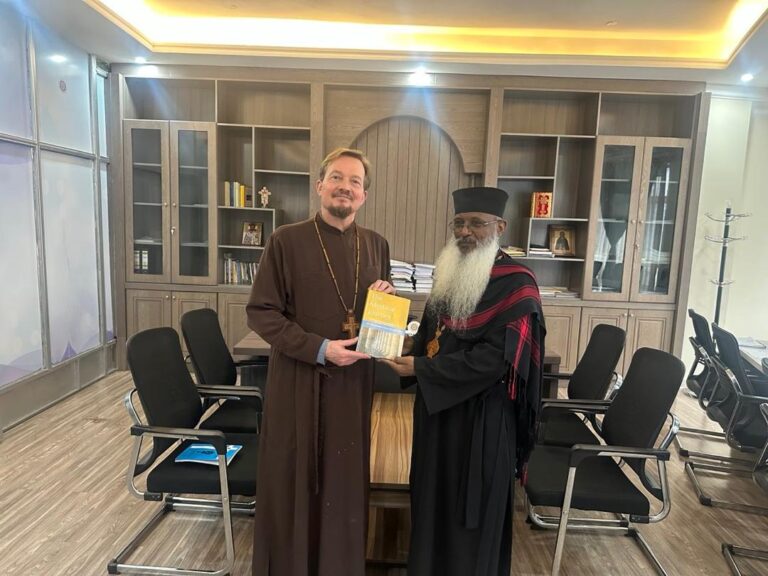
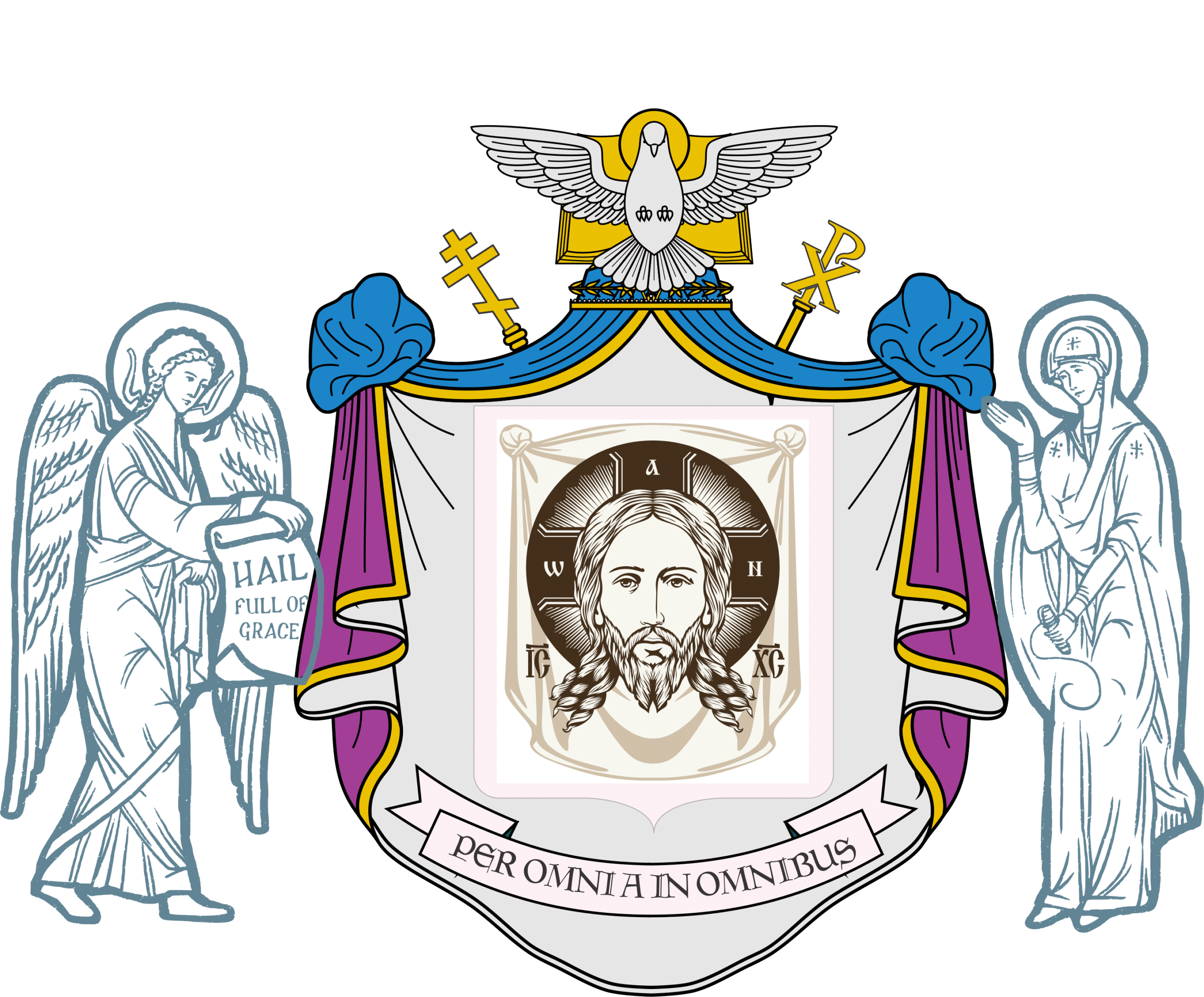
Below: EUCLID is an official partner of the Ecclesiastical Order of Saint John Chrysostom whose Ecclesiastical Patron is the Roman Catholic Archbishop of Jos.

Requirements

Applicants should have a relevant Master’s degree issued by an institution listed in the UNESCO-IAU handbook/database or otherwise duly recognized/accredited. Similar or related backgrounds with adequate professional experience may be considered for Government-sponsored applicants (who are already government staff) who may be admitted without the required educational credential if their level of education and experience is deemed sufficient. EUCLID may require these participants to complete bridge courses prior to enrolling in the program. Fluency in English (spoken and written) is required and will be tested. Students are expected to be in a position to dedicate 10 to 15 effective hours of study on a weekly basis.

Featured Video

Program Outline

CodeCourseCredits
DOC-701How to Complete and Survive a Doctoral Dissertation
DOC-700Writing the Doctoral Dissertation: A Systematic Approach
DDS-600Doctoral Directed Studies3 cr
CTH-600Vatican II and Beyond2 cr
TREL-6172Comparative Religion3 cr
T-DTHESISDoctoral Thesis / Dissertation25 cr
DDS-600Doctoral Directed Studies3 cr
T-DDIA2DDIA Thesis 2/5 Draft5 cr
T-DDIA3DDIA Thesis 3/5 Completed Draft5 cr
T-DDIA4DDIA Thesis 4/5 Editing5 cr
T-DDIA5DDIA Thesis 5/5 Final Review5 cr
THE-405Comparative and Critical Theology: Saints and Images0.5 cr
THE-435Comparative and Critical Theology: The Doctrine of the Mass0.5 cr
THE-436Comparative and Critical Theology: Sola Scriptura (1)0.5 cr
THE-446Soteriology: The 'Salvation by Faith alone' debate0.5 cr
THE-447Scripture - Canon: The controversy on the OT canon0.5 cr
THE-448Ecclesiology: The Debate on the Roman Papacy0.5 cr
CTH-550Roman Catholic Spirituality2 cr

Course titles open the course page in the EUCLID learning platform. The roadmap is updated automatically from the university's academic records.

PRIMARY AND SECONDARY COURSES
Code
Course Name
USCH

International Academic and Professional Paper Writing

2

Argumentation and Critical Thinking

2

Philosophical Foundations

3

Philosophical Foundations II

4

New Testament Greek

2

Old Testament Background / Overview

1

The Canon of Scriptures

2

History of the Roman Catholic Church

2

History of Development of Christian Doctrine

4

Old Testament Review

2

New Testament Review

2

Patristics I (Early Church Fathers)

2

Patristics II (Latter Church Fathers)

2

Lectures on the Catechism of the Catholic Church

3

St Augustine / Doctors of the Church

2

St Thomas Aquinas & Scholasticism

2

Modern Catholic Theologians

2

Roman Catholic Spirituality

2

Eastern Orthodox / Roman Catholic Comparative Studies

1

Debates / Comparative Studies

1
Total Credit Hours (USCH):
40-55

Note: to consult the current and official curriculum/list of courses from the EUCLID CMS database, please visit: EUCLID Available Degree Programs and follow the program link.

Employment Outlook

The Doctor of Philosophy in Roman Catholic Theology is a terminal degree that equips graduates with the scholarly depth and theological competence necessary for successful careers in academia, ecclesiastical service, and public theological engagement. The program is specifically designed to meet the needs of clergy, catechists, scholars, authors, and other professionals seeking rigorous, Magisterium-aligned formation in Catholic theology and Christian thought.

Why study at EUCLID?

EUCLID is the only intergovernmental, treaty-based university with a UN registered charter and recognized expertise in diplomacy. Join the alma mater of ambassadors and senior officials globally.

Note: if the PDF brochure is unavailable (or outdated by 2 years), please contact admissions@euclid.int

Meet our faculty

EUCLID brings together a distinguished international faculty of scholars, practitioners and senior officials. Our professors combine strong academic credentials with real-world experience in international organizations, government, the professions and civil society, and many of them serve the Global South and emerging economies.

The profiles below represent a selection of our outstanding faculty. For the full faculty roster and the professors specifically assigned to this program, please visit our Faculty Profiles Directory.

EUCLID at work: recent news and articles

Start your journey

Applications are reviewed in 4 to 6 business days. Questions get an answer within 2 business days.