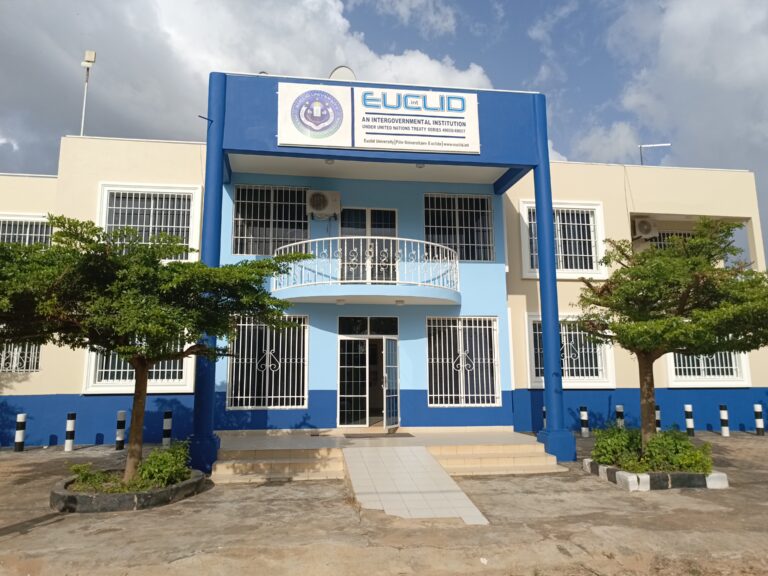


An Intergovernmental institution under
United Nations Treaty Series 49006 / 49007
An Intergovernmental institution under
United Nations Treaty Series 49006 / 49007
Fully online and asynchronous, designed for working professionals, and awarded by a university established by treaty between sovereign States.
Online (Asynchronous)
Study fully online, on your own schedule, at a university created by treaty between sovereign States and registered with the United Nations.

A university established by treaty between sovereign States
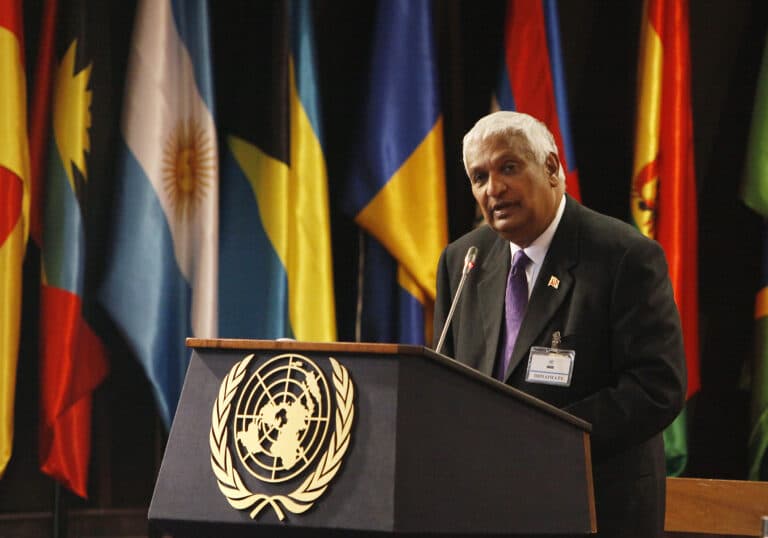
Faculty who include diplomats, scholars and senior practitioners
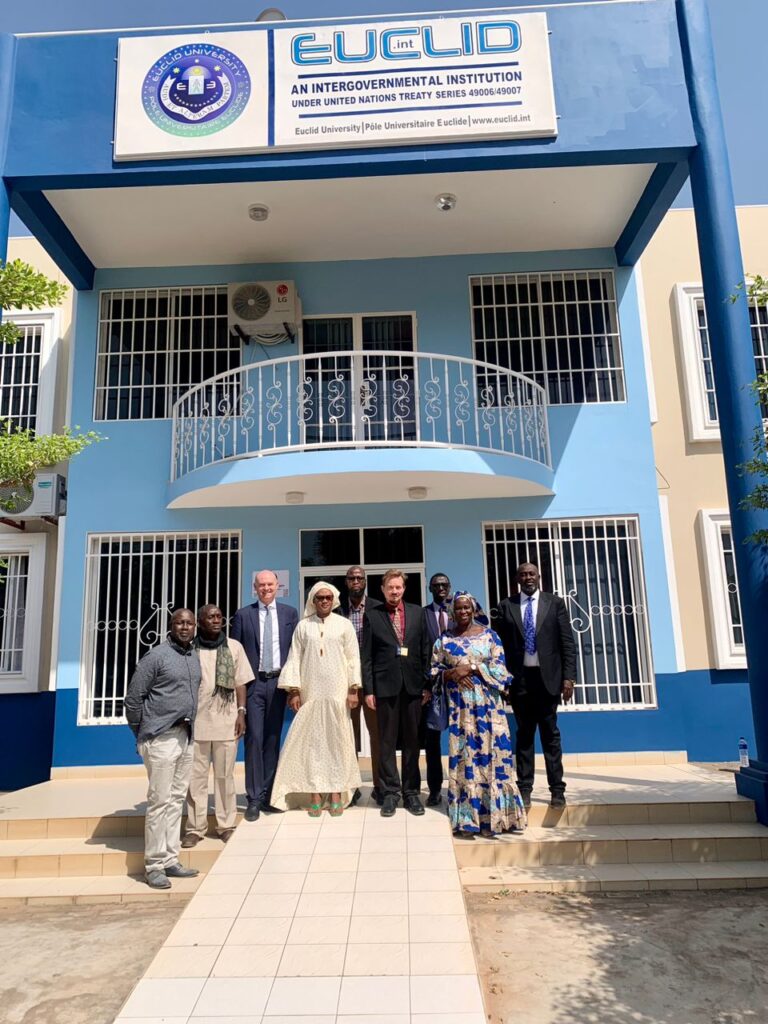
Rigorous academic oversight and quality assurance
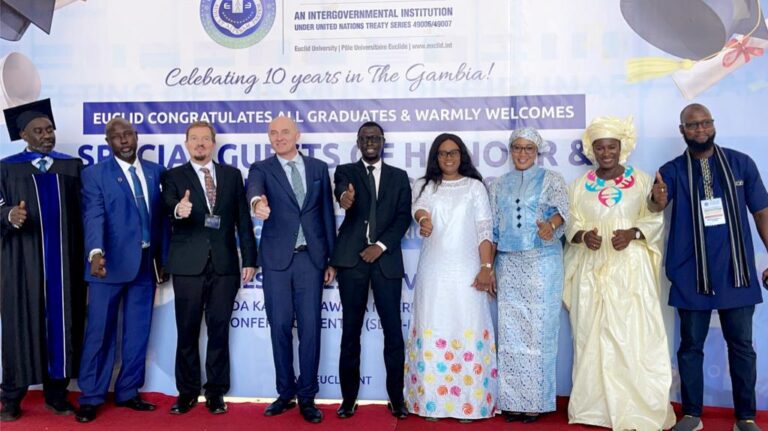
A global alumni community across four continents
The Online PhD in Tourism and Hospitality Management offered by EUCLID is a premier doctoral-level program designed for senior professionals, policymakers, and academics seeking to achieve the highest level of expertise in the global tourism and hospitality sector. This distinguished degree combines advanced coursework in tourism economics, destination management, hospitality operations, sustainable tourism development, and strategic leadership with a rigorous doctoral thesis component that contributes original research to the field. Delivered through EUCLID's proven asynchronous, self-paced, faculty-guided online learning model, the PhD program allows you to advance your career to the highest executive and academic levels without putting it on hold. Whether you are a senior tourism executive, hospitality director, policy advisor, international development leader, or aspiring academic, this program provides the strategic, analytical, and research competencies needed to address the most complex challenges facing the global tourism and hospitality industry — from climate adaptation and destination resilience to digital transformation, cultural heritage management, and sustainable tourism governance. As an intergovernmental (treaty-based) institution under the United Nations Treaty Series, EUCLID offers a uniquely authoritative perspective on tourism and hospitality policy, preparing graduates for the highest levels of leadership in governments, international organizations, academia, and the private sector.
The program is completed fully online and follows three stages.
Core coursework that builds advanced knowledge of the field, with readings, written assignments and faculty feedback.
Research preparation through academic writing, critical thinking and research methods, preparing you for independent work.
A final thesis or dissertation, an original research project completed under faculty supervision and assessed by academic examiners.
Key Features:
100% online, self-paced PhD program (12 courses + doctoral thesis)
Specialized curriculum focused on tourism economics, destination management, hospitality operations, sustainable tourism, and advanced research methodology
Rigorous doctoral thesis component (25 credits) contributing original research to the field
Faculty with extensive experience in tourism, hospitality, international development, and doctoral supervision
Affordable tuition with payment plans designed for public servants
Preparation for the highest senior leadership and academic roles in tourism and hospitality organizations
Program Mission
To train the next generation of tourism and hospitality thought leaders and senior executives who can harness economic, managerial, policy, and research tools to drive innovation, sustainability, and destination competitiveness across the global tourism value chain, while advancing the frontiers of knowledge through rigorous doctoral research that contributes to resilient, equitable, and sustainable tourism systems worldwide.
By the end of the program, graduates will be able to:
Articulate and critically evaluate the fundamental concepts of tourism economics, hospitality management, and global tourism policy, and identify strategic opportunities for intervention across the tourism sector at the highest levels of decision-making.
Analyze complex trends in tourism demand, destination competitiveness, and hospitality operations, and formulate evidence-based strategic responses that leverage market dynamics, emerging technologies, and policy levers for sustainable competitive advantage.
Apply advanced data-driven analytical frameworks to define key performance indicators, extract insights from tourism and hospitality data, and support high-stakes evidence-based decision-making in tourism enterprises and policy environments.
Design and lead large-scale tourism and hospitality transformation projects from conception to implementation, ensuring alignment with business objectives, sustainability goals, and multi-stakeholder needs.
Lead corporate-wide and sector-level transformation initiatives in tourism and hospitality, overcoming organizational resistance, fostering a culture of innovation, and driving sustainable change at scale.
Develop comprehensive destination management and marketing frameworks that address visitor experience, cultural heritage preservation, community engagement, and international standards across complex global tourism systems.
Create effective strategies for risk management in tourism and hospitality, including crisis management, climate-related uncertainties, geopolitical factors, and public health emergencies.
Communicate tourism and hospitality strategy and transformation plans effectively to diverse stakeholders, including communities, policymakers, investors, industry leaders, and international organizations.
Conduct original doctoral-level research that contributes new knowledge to the field of tourism and hospitality management, demonstrating advanced analytical, methodological, and scholarly writing capabilities.
Focus: The PhD program focuses on the economic, managerial, policy, and research dimensions of tourism and hospitality, rather than purely technical or vocational aspects. It emphasizes the application of advanced business and economic principles to real-world tourism and hospitality challenges, the leadership of sustainable transformation at the highest levels, the development of resilient tourism value chains, and the production of original doctoral research that advances the field.
Specialization Areas (Students may tailor projects, electives, and doctoral research toward):
Tourism Economics and Policy – Advanced analysis of tourism markets, trade policies, taxation, and the economic impact of tourism on national and global economies.
Destination Management and Marketing – Strategic planning, branding, positioning, and competitiveness of tourism destinations in diverse cultural and geographic contexts.
Hospitality Operations and Revenue Management – Optimization of hotel and resort operations, pricing strategies, distribution channels, and guest experience management.
Sustainable Tourism and Climate Adaptation – Developing strategies for climate-resilient tourism, sustainable destination development, and environmental stewardship at scale.
Cultural Heritage and Tourism – Management of cultural heritage sites, museums, and intangible cultural assets within sustainable tourism frameworks.
Tourism and Hospitality Innovation and Digital Transformation – Leading technological innovation in tourism distribution, smart destinations, revenue management systems, and digital marketing.
Tourism Entrepreneurship and Social Enterprise – Launching and scaling ventures that address community development, inclusive growth, and sustainable tourism.
International Tourism Policy and Governance – Analysis of international tourism frameworks, bilateral and multilateral agreements, and governance structures affecting global tourism flows.
Crisis and Risk Management in Tourism – Building resilience frameworks, crisis communication strategies, and risk mitigation systems for tourism destinations and enterprises
Applicants to the PhD in Tourism and Hospitality Management must meet the following criteria:
Academic Qualifications: A master's degree (or equivalent) from an accredited institution in tourism, hospitality management, business administration, economics, international development, or a related field. Candidates from other disciplines with extensive relevant professional experience are also encouraged to apply.
Professional Experience: A minimum of 5–7 years of senior professional experience in tourism, hospitality, international development, policy, consulting, academia, or a related field is strongly preferred. Exceptional candidates with strong academic records may be considered with less experience.
English Language Proficiency: For non-native English speakers, proof of English proficiency is required. Alternatively, completion of a prior degree in an English-medium institution satisfies this requirement.
Personal Statement: A 1,000–1,500 word personal statement outlining the applicant's career goals, motivation for pursuing a PhD in Tourism and Hospitality Management, proposed research interests, and how the program aligns with their professional and academic aspirations.
Research Proposal: A preliminary research proposal (1,000–2,000 words) outlining the applicant's proposed doctoral research topic, research questions, methodological approach, and potential contribution to the field.
Resume or Curriculum Vitae (CV): A current resume or CV detailing educational background, professional experience, skills, publications, and any relevant certifications or achievements.
Application Interview: A final interview (via video conference) with the program director or admissions committee is required to assess the applicant's motivation, research readiness, communication skills, and fit for the program
Course titles open the course page in the EUCLID learning platform. The roadmap is updated automatically from the university's academic records.
PRIMARY COURSES | ||
Code | Course Name | EUCLID Credits |
International Academic Writing (Doctorate)
| 3 | |
Argumentation and Critical Thinking
| 2 | |
Advanced Strategic Management in Hospitality
| 3 | |
Tourism Economics and Policy
| 3 | |
Destination Management and Marketing
| 3 | |
Hospitality Operations and Revenue Management
| 3 | |
Sustainable Tourism Development
| 3 | |
Cross-Cultural Management in Tourism and Hospitality
| 3 | |
Innovation and Digital Transformation in Hospitality
| 3 | |
Strategic Leadership and Organizational Behavior
| 3 | |
Tourism and Hospitality Law and Risk Management
| 3 | |
Doctoral Thesis 1/5
| 5 | |
Doctoral Thesis 2/5
| 5 | |
Doctoral Thesis 3/5
| 5 | |
Doctoral Thesis 4/5
| 5 | |
Doctoral Thesis 5/5
| 5 | |
Total Credit Hours (USCH): | 57 | |
ELECTIVE COURSES
Note: All courses available in the EUCLID database can be considered elective, after review and approval by your EUCLID counselor. Graduate level degrees may include a certain number of undergraduate electives. Likewise, undergraduate roadmaps may be built using graduate level courses. Again, prospective students are reminded that the final degree roadmap must be reviewed and approved by the Admissions Officer to ensure logical progression of subjects covered and conformity with international standards.
STANDARD DEGREE ROADMAP - SUGGESTED ELECTIVES | ||
Code | Course Name | EUCLID Credits |
Note: to consult the current and official curriculum/list of courses from the EUCLID CMS database, please visit: EUCLID Available Degree Programs and follow the program link.
Graduates of the EUCLID PhD in Tourism and Hospitality Management are exceptionally well-prepared to pursue the highest senior leadership, policy, academic, and advisory roles across a diverse array of employment sectors. In the private sector, they serve as Chief Executive Officers, Chief Operating Officers, Directors of Tourism and Hospitality, Vice Presidents of Operations, Destination Marketing Directors, and Senior Hospitality Consultants in multinational hotel chains, tourism operators, travel technology companies, and hospitality ventures. In consulting and professional services, graduates excel as Senior Tourism Strategy Consultants, Destination Development Advisors, and Sustainability Specialists at top-tier global firms serving the tourism and hospitality industries. In government and public sector, they work as Senior Tourism Policy Advisors, Directors of Tourism Development, Chief Tourism Officers, and Cultural Heritage Commissioners in ministries of tourism, culture, economic development, and foreign affairs. International organizations and development agencies (UNWTO, UN agencies, World Bank, UNDP, UNESCO) recruit graduates for senior leadership roles in sustainable tourism programs, destination development, cultural heritage preservation, and global tourism policy advisory. Non-governmental organizations and think tanks employ graduates as Senior Tourism Policy Analysts, Sustainable Tourism Researchers, and Cultural Heritage Advocates, often in leadership or directorial capacities. Academia and research institutions value the PhD credential for tenure-track faculty positions, research directorships, and senior fellowships in tourism, hospitality management, and sustainable development. Entrepreneurship and startups benefit from graduates' ability to launch and scale high-impact tourism and hospitality ventures that address community development, inclusive growth, and sustainable tourism at scale. This wide-ranging employability reflects the program's rigorous interdisciplinary foundation in tourism economics, hospitality strategy, destination management, sustainability, cultural heritage, and doctoral-level research, all delivered through EUCLID's intergovernmental mandate and fully online PhD model.

EUCLID is the only intergovernmental, treaty-based university with a UN registered charter and recognized expertise in diplomacy. Join the alma mater of ambassadors and senior officials globally.
Note: if the PDF brochure is unavailable (or outdated by 2 years), please contact admissions@euclid.int
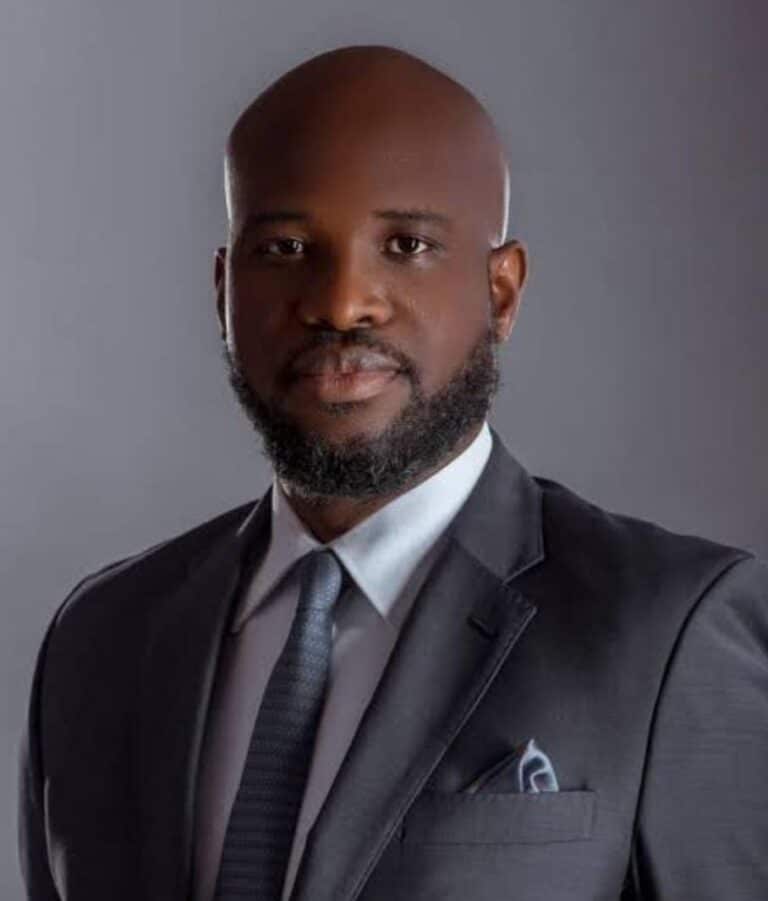
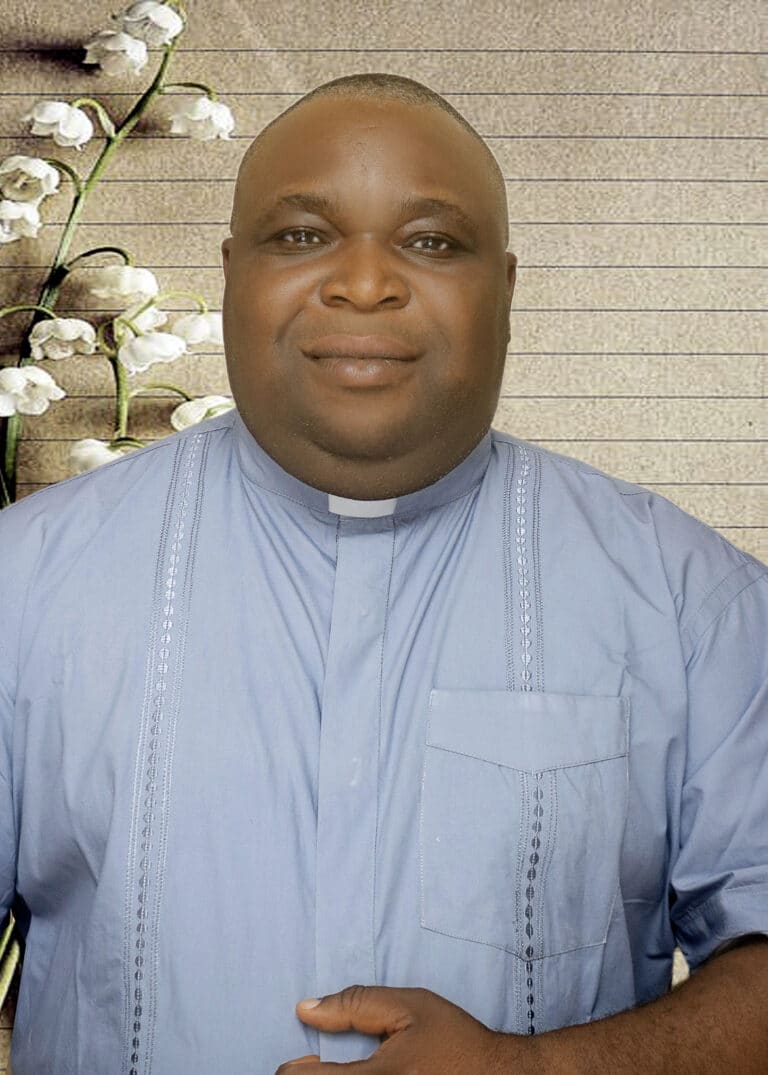
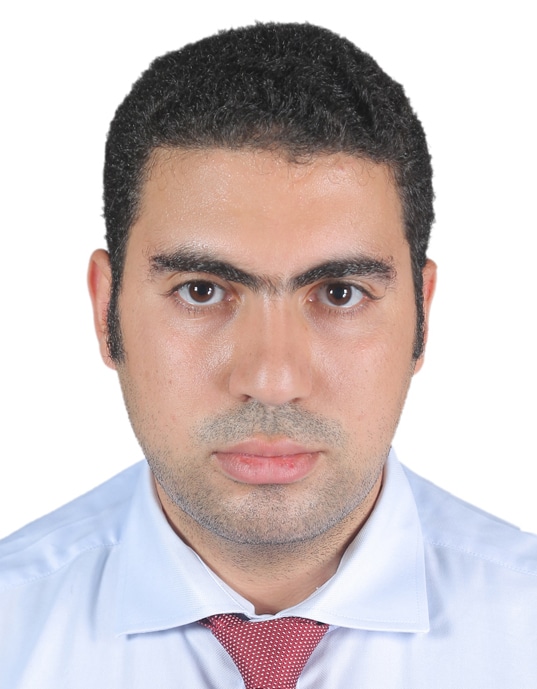
EUCLID brings together a distinguished international faculty of scholars, practitioners and senior officials. Our professors combine strong academic credentials with real-world experience in international organizations, government, the professions and civil society, and many of them serve the Global South and emerging economies.
The profiles below represent a selection of our outstanding faculty. For the full faculty roster and the professors specifically assigned to this program, please visit our Faculty Profiles Directory.


Applications are reviewed in 4 to 6 business days. Questions get an answer within 2 business days.