
An Intergovernmental institution under
United Nations Treaty Series 49006 / 49007
An Intergovernmental institution under
United Nations Treaty Series 49006 / 49007
Fully online and asynchronous, designed for working professionals, and awarded by a university established by treaty between sovereign States.
Online (Asynchronous)
Study fully online, on your own schedule, at a university created by treaty between sovereign States and registered with the United Nations.

A university established by treaty between sovereign States
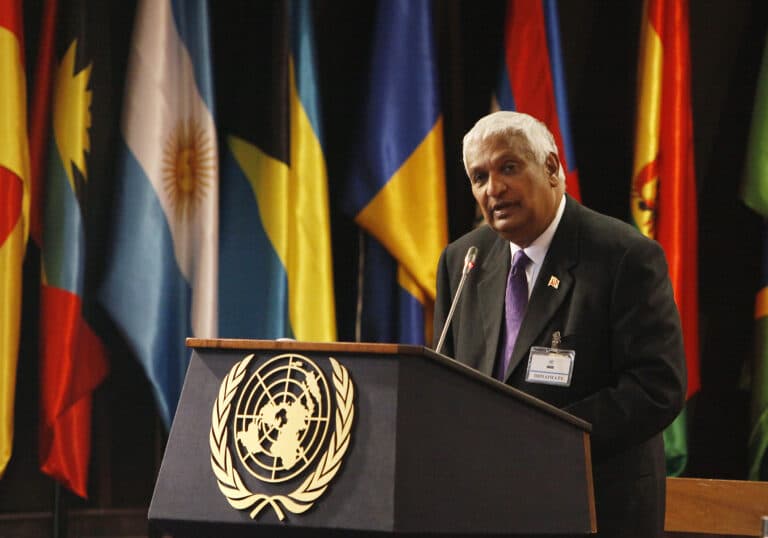
Faculty who include diplomats, scholars and senior practitioners
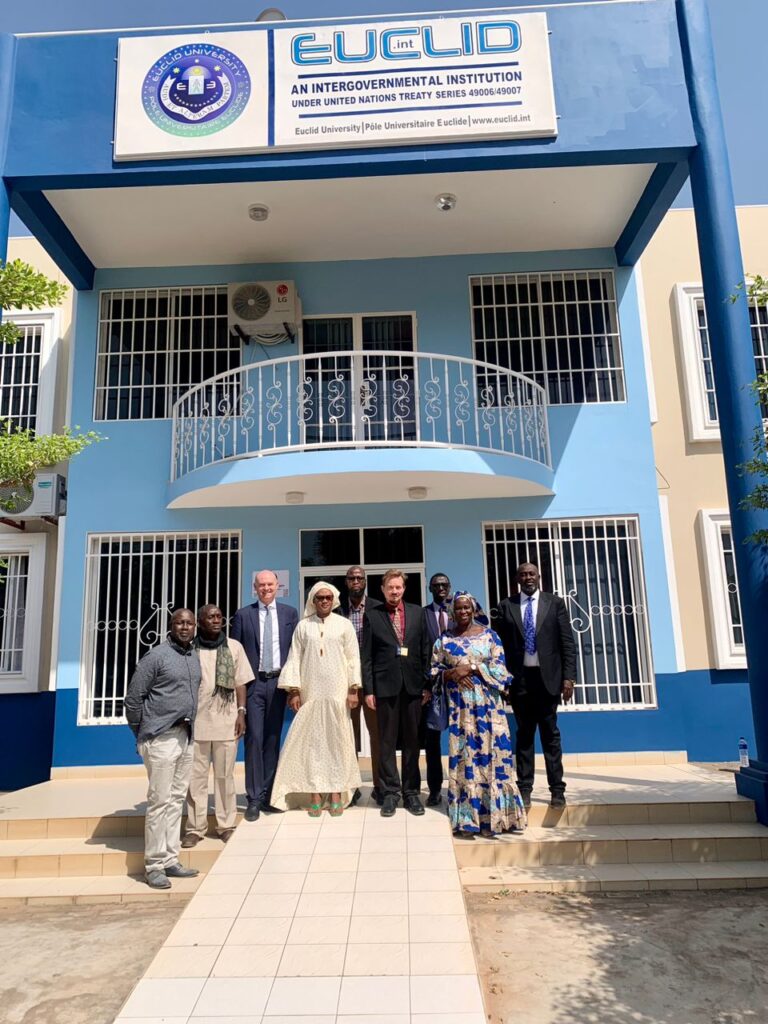
Rigorous academic oversight and quality assurance
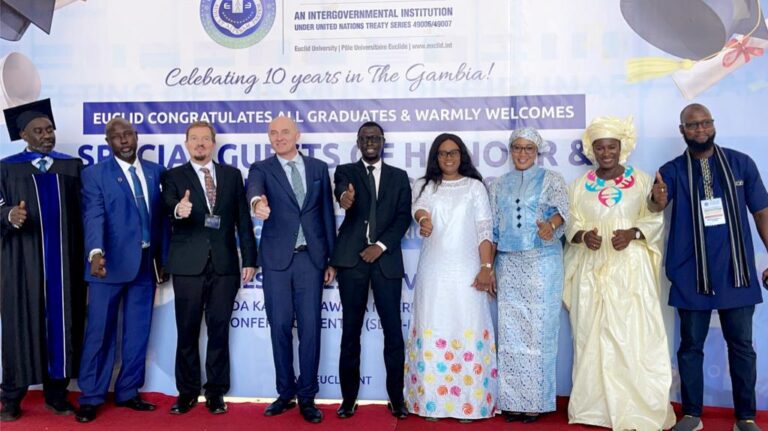
A global alumni community across four continents
Shape the Future of Water Security: Online PhD in Water Resource Management at EUCLID
In a world where water scarcity, climate shocks, and growing demands threaten communities, ecosystems, and economies, visionary leaders are needed more than ever. EUCLID’s fully online PhD in Water Resource Management (DWRM) empowers professionals to become those leaders — blending cutting-edge science, practical engineering, and global policy expertise into one transformative doctoral journey.
This isn’t just another PhD. Delivered by EUCLID — a unique treaty-based intergovernmental university under United Nations Treaty Series registrations — the program stands alone as the only Water Resource Management doctorate offered by such an institution. It brings together rigorous hydrology and environmental science with real-world governance tools aligned to the UN Sustainable Development Goals, especially SDG 6: Clean Water and Sanitation.
Whether you’re a civil servant, engineer, environmental manager, or policy expert, this program equips you with advanced modeling skills, geospatial tools, climate adaptation strategies, and leadership capabilities to drive meaningful change.
Ideal for mid-to-senior professionals with a relevant master’s degree and a passion for water issues. Professional experience is highly valued, and the program welcomes those ready to advance into high-level advisory, research, diplomatic, or executive positions in water security.
EUCLID’s low-tuition model (with scholarships available for officials from participating states and ECOWAS/IGO affiliates) makes this elite-level education remarkably accessible.
Water is the defining resource of the 21st century. By earning your PhD in Water Resource Management at EUCLID, you won’t just study the crisis — you’ll lead the solutions. Join a global network of alumni who are ambassadors, senior officials, and change-makers shaping sustainable futures.
Ready to make waves? Explore the program and apply today at EUCLID. Your journey toward becoming a global water leader starts here.
The program is completed fully online and follows three stages.
Core coursework that builds advanced knowledge of the field, with readings, written assignments and faculty feedback.
Research preparation through academic writing, critical thinking and research methods, preparing you for independent work.
A final thesis or dissertation, an original research project completed under faculty supervision and assessed by academic examiners.
Program Objectives
By the end of the program, graduates will be able to:
Focus and Specialization
Focus: The program focuses on the interdisciplinary nexus of water science, engineering, policy, and governance. It emphasizes the application of cutting-edge hydrological and geospatial tools to real-world water challenges, the integration of climate adaptation into water planning, and the development of institutional and economic mechanisms for sustainable water allocation. Particular attention is given to transboundary water management, groundwater governance, and urban water resilience.
Specialization Areas (Students may tailor dissertations and electives toward):
Applicants must meet the following criteria:
A master’s degree (or equivalent) in water resource engineering, hydrology, environmental science, geology, geography, civil engineering, or a closely related field. Demonstrated academic writing ability (writing sample required). Professional experience in water resources, environmental management, or a related sector is strongly preferred but not mandatory.
• Proficiency in English (TOEFL, IELTS, or equivalent for non-native speakers).
• Two letters of recommendation.
• A preliminary research statement or proposal of interest (1–2 pages).
Course titles open the course page in the EUCLID learning platform. The roadmap is updated automatically from the university's academic records.
PRIMARY COURSES | ||
Code | Course Name | EUCLID Credits |
International Academic Writing (Doctorate)
| 3 | |
Argumentation and Critical Thinking
| 2 | |
Freshwater Ecology
| 3 | |
Fundamentals of Hydrology and the Water Cycle
| 3 | |
Water Quality Assessment and Management
| 3 | |
Principles of Hydrogeology
| 3 | |
Hydraulics and River Engineering
| 3 | |
Integrated Water Resources Management
| 3 | |
Climate Change and Water Resources
| 3 | |
GIS and Remote Sensing for Water Applications
| 3 | |
Doctoral Thesis 1/5
| 5 | |
Doctoral Thesis 2/5
| 5 | |
Doctoral Thesis 3/5
| 5 | |
Doctoral Thesis 4/5
| 5 | |
Doctoral Thesis 5/5
| 5 | |
Total Credit Hours (USCH): | 54 | |
ELECTIVE COURSES
Note: All courses available in the EUCLID database can be considered elective, after review and approval by your EUCLID counselor. Graduate level degrees may include a certain number of undergraduate electives. Likewise, undergraduate roadmaps may be built using graduate level courses. Again, prospective students are reminded that the final degree roadmap must be reviewed and approved by the Admissions Officer to ensure logical progression of subjects covered and conformity with international standards.
STANDARD DEGREE ROADMAP - SUGGESTED ELECTIVES | ||
Code | Course Name | EUCLID Credits |
Water Governance & Economics
| 3
| |
Sustainable Urban Water Systems
| 3 | |
Note: to consult the current and official curriculum/list of courses from the EUCLID CMS database, please visit: EUCLID Available Degree Programs and follow the program link.
Graduates of the EUCLID PhD in Water Resource Management are exceptionally well-prepared to pursue senior leadership, research, and policy roles across a diverse array of employment sectors, including national and regional government agencies such as water ministries, environmental protection authorities, geological surveys, river basin organizations, and municipal utilities; international organizations and UN bodies including UN-Water, UNESCO, the World Bank, FAO, UNDP, WHO, UNEP, the Global Water Partnership, and the International Water Management Institute; private sector consulting and engineering firms (e.g., AECOM, Arcadis, Jacobs), water technology companies, mining and energy corporations, agricultural consultancies, and industrial water users (beverage, semiconductor, manufacturing); non-governmental organizations focused on freshwater conservation, water advocacy, environmental justice, and transboundary cooperation such as WWF, WaterAid, The Nature Conservancy, and the Stockholm International Water Institute; academia and research institutions including universities, hydrological research centers, and climate institutes; defense and security agencies (military engineering corps, intelligence units, disaster response); and private water utilities and industries requiring water stewardship, sustainability compliance, and resource management expertise. This wide-ranging employability reflects the program’s interdisciplinary foundation in hydrological science, engineering, climate adaptation, geospatial analysis, governance, and economics, all delivered through EUCLID’s intergovernmental mandate and fully online doctoral model.

EUCLID is the only intergovernmental, treaty-based university with a UN registered charter and recognized expertise in diplomacy. Join the alma mater of ambassadors and senior officials globally.
Note: if the PDF brochure is unavailable (or outdated by 2 years), please contact admissions@euclid.int
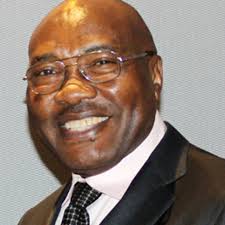
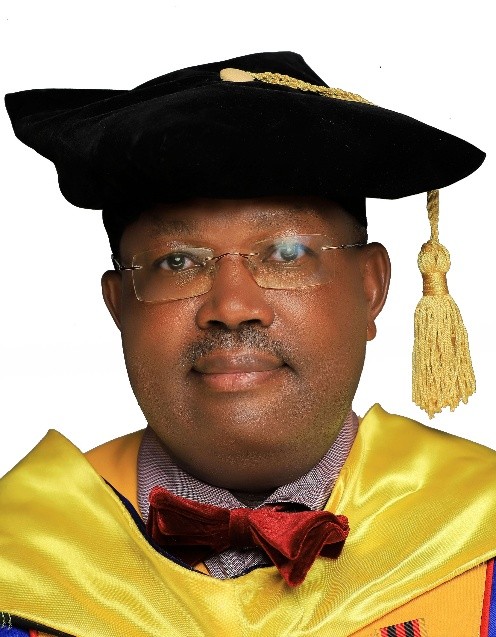
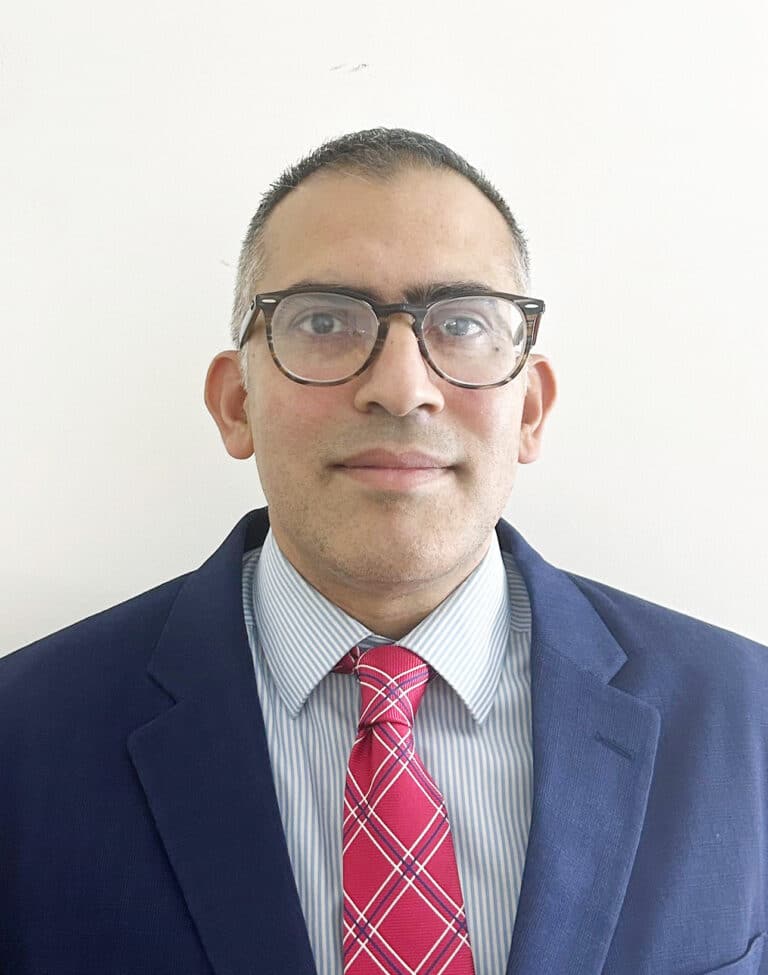
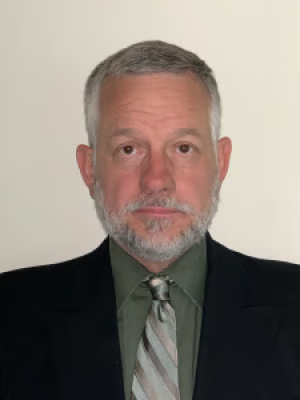
EUCLID brings together a distinguished international faculty of scholars, practitioners and senior officials. Our professors combine strong academic credentials with real-world experience in international organizations, government, the professions and civil society, and many of them serve the Global South and emerging economies.
The profiles below represent a selection of our outstanding faculty. For the full faculty roster and the professors specifically assigned to this program, please visit our Faculty Profiles Directory.

Applications are reviewed in 4 to 6 business days. Questions get an answer within 2 business days.