

An Intergovernmental institution under
United Nations Treaty Series 49006 / 49007
An Intergovernmental institution under
United Nations Treaty Series 49006 / 49007
Fully online and asynchronous, designed for working professionals, and awarded by a university established by treaty between sovereign States.
Online (Asynchronous)
Study fully online, on your own schedule, at a university created by treaty between sovereign States and registered with the United Nations.

A university established by treaty between sovereign States
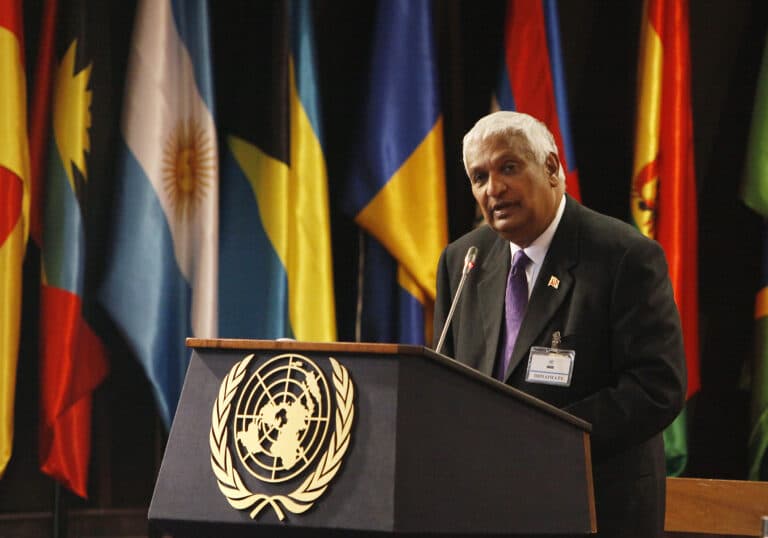
Faculty who include diplomats, scholars and senior practitioners
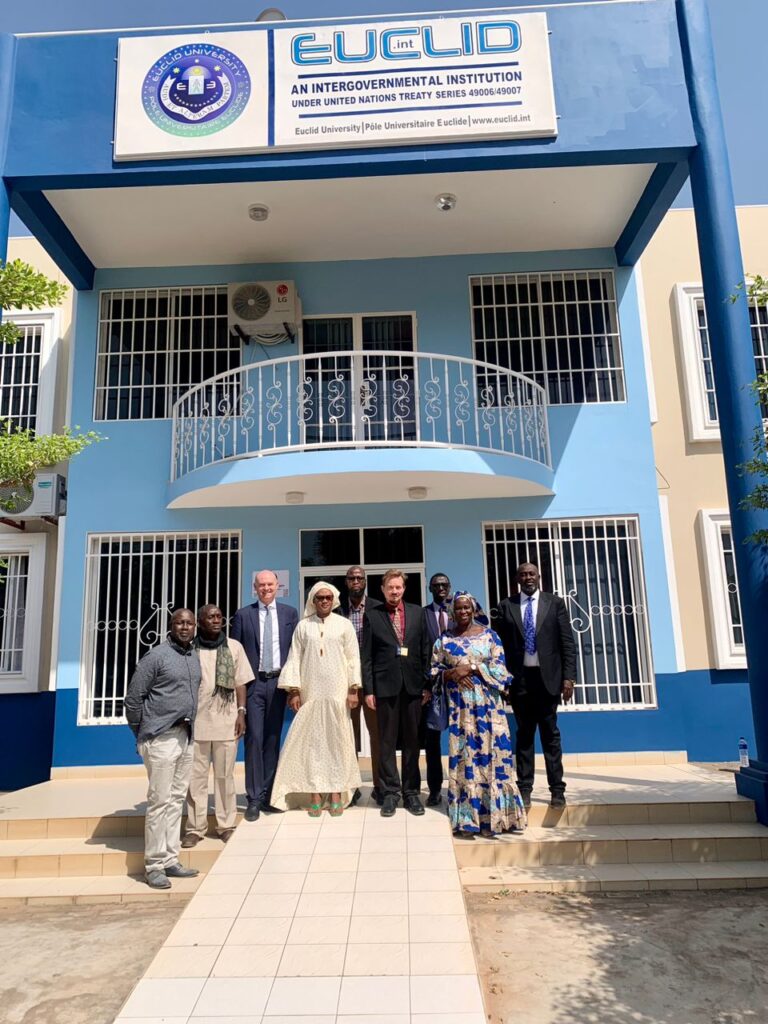
Rigorous academic oversight and quality assurance
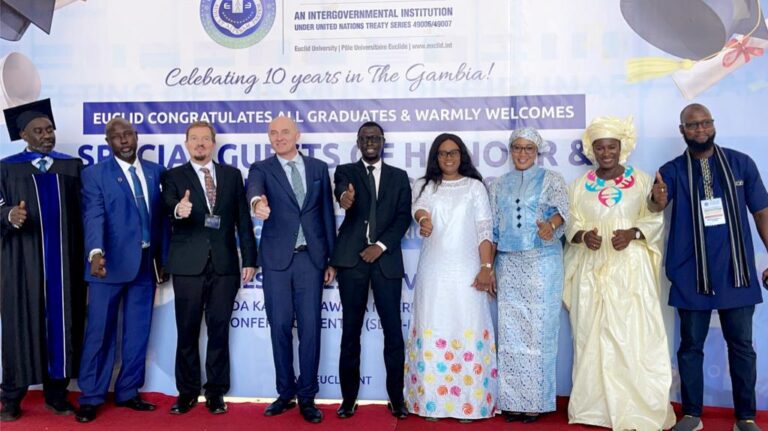
A global alumni community across four continents
EUCLID’s online PhD in Global Energy Security and Policy is a high-level doctoral program designed for professionals and scholars seeking to address the most pressing challenges at the intersection of energy, security, and international affairs. This program is closely related to EUCLID’s PhD in Global Energy Policy, but with a distinct and critical focus on energy security—understood as the uninterrupted availability of energy sources at an affordable price, and the geopolitical, economic, and environmental dimensions that underpin it.
In an era marked by supply chain vulnerabilities, great-power competition, climate-induced disruptions, and the accelerating energy transition, the concept of energy security has never been more central to national and international policymaking. The war in Ukraine, the volatility of global oil and gas markets, the rise of renewable energy technologies, and the strategic importance of critical minerals have all underscored the urgent need for experts who can analyze, strategize, and lead in this complex domain.
EUCLID’s PhD in Global Energy Security and Policy offers a rigorous curriculum that blends geopolitical analysis, international relations theory, risk management, and energy economics with a deep examination of specific energy sectors—from oil and gas to nuclear and renewables. Graduates can expect to complete the program transformed and enhanced in their ability to make a difference in global energy security governance, whether in government agencies, international organizations, the private sector, or academia.
This program is unique because it is offered by an international intergovernmental organization committed to sustainable development, and because it is delivered entirely in a distance/online format, making it accessible to working professionals around the world. It is also unique for blending science and technology with economics, finance, and international relations to offer a comprehensive and interdisciplinary coverage of this critical topic.
The program is completed fully online and follows three stages.
Core coursework that builds advanced knowledge of the field, with readings, written assignments and faculty feedback.
Research preparation through academic writing, critical thinking and research methods, preparing you for independent work.
A final thesis or dissertation, an original research project completed under faculty supervision and assessed by academic examiners.
Energy security is a major cause of concern for government agencies, international organizations, and economic actors globally. The geopolitics of energy have shifted dramatically in recent years, with traditional energy exporters and importers reconfiguring their relationships, new technologies disrupting established markets, and climate policies reshaping investment landscapes.
What are the implications of the energy transition for global security? How do states balance the competing demands of affordability, reliability, and sustainability? What role do international institutions play in managing energy crises and preventing conflicts over resources? These are some of the critical topics covered in EUCLID’s unique online PhD in Global Energy Security and Policy—unique because offered by an international intergovernmental organization with a direct mandate in sustainable development, and unique for being delivered completely in distance/online format.
More broadly, the PhD in Global Energy Security and Policy engages with the sustainable development agenda as articulated in the UN Sustainable Development Goals, particularly SDG 7 (Affordable and Clean Energy) and SDG 13 (Climate Action). Students will explore how energy security intersects with sustainable development, and how policy frameworks can advance both objectives simultaneously.
The program is designed to produce doctoral-level expertise in:
Students will engage with cutting-edge research, policy documents from international organizations (including the UN, IRENA, IEA, and OPEC), and case studies drawn from contemporary energy security challenges.
Applicants should have a relevant Master’s degree issued by an institution listed in the UNESCO-IAU handbook/database or otherwise duly recognized/accredited.
Similar or related backgrounds with adequate professional experience may be considered for Government-sponsored applicants (who are already government staff) who may be admitted without the required educational credential if their level of education and experience is deemed sufficient. EUCLID may require these participants to complete bridge courses prior to enrolling in the program.
Fluency in English (spoken and written) is required and will be tested. Students are expected to be in a position to dedicate 10 to 15 effective hours of study on a weekly basis.
Additional Requirements for the PhD:
Course titles open the course page in the EUCLID learning platform. The roadmap is updated automatically from the university's academic records.
PRIMARY COURSES | ||
Code | Course Name | EUCLID Credits |
International Academic Writing (Doctorate)
| 3 | |
Argumentation and Critical Thinking
| 2 | |
Foundations of Energy Security
| 3 | |
Geopolitics of Energy
| 3 | |
Energy Policy and Governance
| 3 | |
Energy Security and International Relations
| 3 | |
Energy Crisis and Risk Management
| 3 | |
Oil and Gas Industry
| 3 | |
Energy Production, Distribution & Safety
| 3 | |
Sustainable Energy
| 3 | |
Wind and Alternative Energy Module
| 3 | |
Nuclear Energy Module
| 3 | |
Politics and Economics of International Energy
| 3 | |
DDIA Thesis 1/5 Bibliography + Outline
| 5 | |
DDIA Thesis 2/5 Draft
| 5 | |
DDIA Thesis 3/5 Completed Draft
| 5 | |
DDIA Thesis 4/5 Editing
| 5 | |
Doctoral Thesis 5/5
| 5 | |
Total Credit Hours (USCH): | 63 | |
ELECTIVE COURSES
Note: All courses available in the EUCLID database can be considered elective, after review and approval by your EUCLID counselor. Graduate level degrees may include a certain number of undergraduate electives. Likewise, undergraduate roadmaps may be built using graduate level courses. Again, prospective students are reminded that the final degree roadmap must be reviewed and approved by the Admissions Officer to ensure logical progression of subjects covered and conformity with international standards.
STANDARD DEGREE ROADMAP - SUGGESTED ELECTIVES | ||
Code | Course Name | EUCLID Credits |
Essential Readings in Energy Studies
| 3
| |
Our Energy Future
| 3
| |
Global Energy Business
| 3
| |
Photovoltaic Solar Energy
| 3
| |
Wind Energy (DTU)
| 3 | |
Note: to consult the current and official curriculum/list of courses from the EUCLID CMS database, please visit: EUCLID Available Degree Programs and follow the program link.
Career Outcomes
Graduates of the PhD in Global Energy Security and Policy are prepared for senior-level positions in:

EUCLID is the only intergovernmental, treaty-based university with a UN registered charter and recognized expertise in diplomacy. Join the alma mater of ambassadors and senior officials globally.
Note: if the PDF brochure is unavailable (or outdated by 2 years), please contact admissions@euclid.int
EUCLID brings together a distinguished international faculty of scholars, practitioners and senior officials. Our professors combine strong academic credentials with real-world experience in international organizations, government, the professions and civil society, and many of them serve the Global South and emerging economies.
The profiles below represent a selection of our outstanding faculty. For the full faculty roster and the professors specifically assigned to this program, please visit our Faculty Profiles Directory.


Applications are reviewed in 4 to 6 business days. Questions get an answer within 2 business days.